
Weighbridge Load Cell Price in India: Types, Specifications & Buying Guide

Table of Contents

Introduction

Walk into any transport yard in Gujarat or Punjab, and you’ll find at least one weighbridge sitting quietly near the gate, doing a job nobody really notices until it goes wrong. A few months back, a transporter in Surat found out the hard way. His weighbridge kept showing readings that were off by almost 300 kg on every truck. Turned out, one weighbridge load cell out of the four installed had started drifting. Nobody checks these things until money starts disappearing. That’s basically how most people discover how important this tiny component really is the hard way, after a loss. If you’re here because you’re trying to avoid that story, or because you’re actually comparing specs and understanding how load cells work before buying, this guide should help.
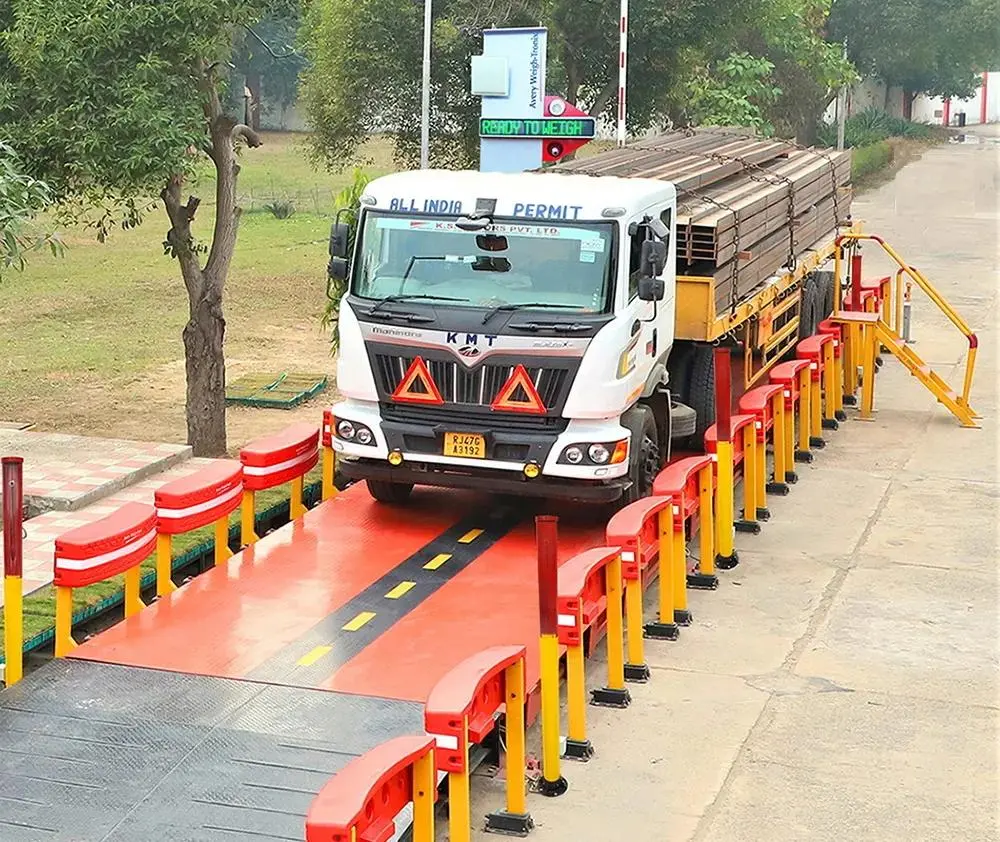
Weighbridge Load Cell Price in India

Why Weighbridge Load Cells Aren't Just "Regular" Load Cells

People often assume a load cell is a load cell,it doesn’t matter where you put it. Not true. A weighbridge load cell has a completely different job compared to, say, the one sitting inside a kitchen scale or a small bench scale. It’s dealing with tonnes, not grams. And it’s doing this outdoors, exposed to rain, dust, vibration from passing trucks, sometimes even monsoon flooding near the pit.

High-Capacity Compression Design

The majority of weighbridge installations use compression-type cells, which are designed to take a straight-down crushing force rather than a pull or a bend.Think of four or more of these cells sitting under a massive steel platform, each one silently absorbing a share of the total truck weight. The design has to handle sudden impact too, a loaded truck doesn’t exactly roll onto a weighbridge gently. It thuds. Repeatedly. Day after day, for years.

Multi-Cell Synchronization

Here’s something a lot of buyers don’t realize until someone explains it to them: a weighbridge rarely runs on a single sensor. It typically uses anywhere from 4 to 8 cells, all working together, feeding their individual readings into something called a summing box (or junction box), which then combines everything into one final weight. If one cell in that chain is even a little bit off, as happened with that Surat transporter, the entire reading is thrown off. This is actually one of the most overlooked reasons a weighbridge feels inaccurate, even when the indicator and software are working fine

Types of Load Cells Used in Weighbridges

Not every load cell type suits a weighbridge application. Some are built for pulling force, some for bending, and some simply don’t have the capacity range needed for heavy trucks.

Compression / Canister Type

This is, hands down, the most common weighbridge load cell type you’ll see in India. Canister-style cells are rugged, stainless-steel-bodied, and rated for high tonnage, often from 10 tonnes up to 50 tonnes or more per cell. Most full-size truck weighbridges you’ve probably driven over use this exact design.

Shear Beam Type

Shear beam cells get used more on medium-capacity platforms, like smaller weighbridges or platform scales handling 10–30 tonnes total. They’re a bit more compact and easier to mount than canister types, though not usually preferred for the heaviest-duty applications. If your business deals with smaller vehicle traffic rather than 40-tonne trucks, this might actually suit you better and cost less too.

Digital vs Analog Weighbridge Cells

This is where the story gets really interesting for the buyer. A weighbridge digital load cell does its own analog-to-digital conversion right at the sensor, then sends a clean digital signal over cable, usually RS-485, straight to the indicator. Analog cells, on the other hand, send a raw millivolt signal that’s more prone to electrical noise, especially over long cable runs (and weighbridge cable runs are rarely short). Also digital setups make it much easier to isolate which exact cell is misbehaving (something analog systems genuinely struggle with). You’ll pay more upfront for digital. Whether that’s worth it depends on how often you expect to troubleshoot, honestly.

Weighbridge Load Cell Price in India 2026 Market Snapshot

Alright, the part everyone’s actually here for. Weighbridge load cell price in India varies quite a bit, and capacity is the single biggest driver of that variation. Material quality, brand, certification, and whether you’re going analog or digital all stack on top of that base number too.

Price Range by Capacity

Here’s a rough snapshot of what buyers are typically looking at this year:
Capacity Type
10 Ton Shear Beam / Compression
20 Ton Compression
30 Ton Compression / Canister
50 Ton Canister
100 Ton Weighbridge Load Cell Canister (Heavy Duty)
These numbers aren’t fixed in stone, prices move around based on steel costs, import duties, and supplier margins. Also worth noting, a full weighbridge usually needs multiple cells, so multiply accordingly. A 30-tonne weighbridge running on 4 cells at ₹20,000 each is already a ₹80,000 investment before you’ve even added the indicator or installation.

Analog vs Digital Price Difference Explained

Digital cells generally run 20–40% higher than their analog equivalents of the same capacity. It sounds like a lot on paper. But when you factor in reduced downtime from easier fault diagnosis, many buyers end up finding it pays for itself within a year or two, particularly for weighbridges handling heavy daily traffic.

Hidden Costs Nobody Talks About

This is the part that trips up first-time buyers. The weighbridge load cell price you see quoted is rarely the full picture. You’ve also got the junction box or summing card, cabling (which needs to be weatherproof and often runs 15-30 meters per cell), surge protection and installation labor. Skimping on cabling specifically is a mistake we see way too often cheap cable in a wet pit environment is basically asking for signal drift within a year.

Specifications That Actually Move the Price Needle

Price differences between two cells of the same capacity usually come down to three things.

Accuracy Class (OIML C3 vs C6)

If your weighbridge is used for legal-for-trade purposes, meaning you’re billing customers based on its readings, Indian Legal Metrology requirements come into play, and OIML certification (commonly C3 or C6 class) becomes non-negotiable. C6 cells offer finer resolution and typically cost more than C3. Skipping certification to save money is one of those decisions that looks fine until a Legal Metrology inspector shows up.

IP68 Rating

A weighbridge load cell specification sheet worth trusting will always mention the IP rating clearly. IP68 means the cell can handle temporary submersion, which matters a lot given how many weighbridge pits flood during heavy monsoon in states like Maharashtra or Gujarat. Cheaper cells sometimes only carry IP65 or IP66, fine for splashes, not for standing water.

Material Alloy Steel vs Stainless Steel
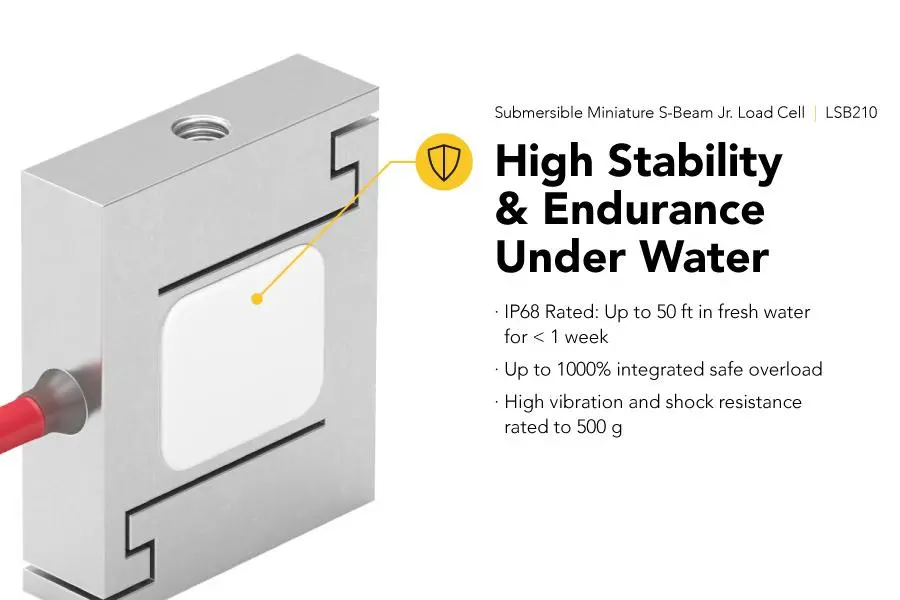
Alloy steel cells cost less and work fine in dry, covered installations. Stainless steel costs more but resists corrosion far better, especially near coastal regions or chemical plants. If your weighbridge sits anywhere near salt air or industrial runoff, paying extra for stainless steel upfront is almost always cheaper than replacing a rusted-out alloy cell three years later.
IP68 Rating

Real Buying Scenarios Which Load Cell Fits Which Business

A small transport yard handling local delivery trucks doesn’t need the same setup as a mining company weighing 50-tonne dumpers all day. For a yard dealing with 10–20 tonne vehicles, a basic analog compression cell with standard certification usually does the job without overspending. Industrial or mining operations, where loads regularly hit 50 tonnes and above, really should be looking at digital canister cells with IP68 and stainless steel bodies, the environment there is just too punishing for anything less. And then there’s toll plazas and government weighbridges, where legal-for-trade compliance isn’t optional, OIML certification and full traceability documentation matter as much as the hardware itself. If you’re still figuring out which category fits your setup, comparing a few weighing scale manufacturers and their load cell specs side by side usually clears things up fast.

Check These Before Buying a Cheap Load Cell

A suspiciously low price often means something’s been cut. No certification documents. No warranty, or a warranty that’s vague about what it actually covers. Generic unbranded steel bodies with no traceable manufacturing source. These cells might work fine for the first six months, then start drifting right when you least expect it. Always ask for the calibration certificate and warranty terms in writing before paying. If a supplier hesitates on that, that’s your answer right there.

Conclusion

Choosing a weighbridge load cell isn’t really about finding the cheapest option on a quote sheet. It’s about matching capacity, certification, and environmental durability to what your business actually does, day in and day out. The weighbridge load cell price in India will always vary, but the real cost shows up later, in downtime, recalibration, or replacement, when corners get cut early on. If you’d rather avoid Surat transporter’s story entirely, the team at GJimpex can walk you through specifications, certifications, and pricing that actually fit your setup. Worth a conversation before you buy, not after something breaks.

Leave a Comment

Your email address will not be published. Required fields are marked *

Scroll to Top