
Table of Contents
Introduction
If you have ever wondered how industrial scales, cranes, and hopper systems measure weight with such precision, chances are an S-type load cell is doing the heavy lifting behind the scenes. Shaped like the letter “S,” this force transducer is one of the most widely used sensors in weighing and force measurement applications. Whether you are designing a batching system, upgrading a crane scale, or simply trying to understand how modern weighing technology works, this guide walks you through everything, from the working principle to how you can choose the right one for your setup.
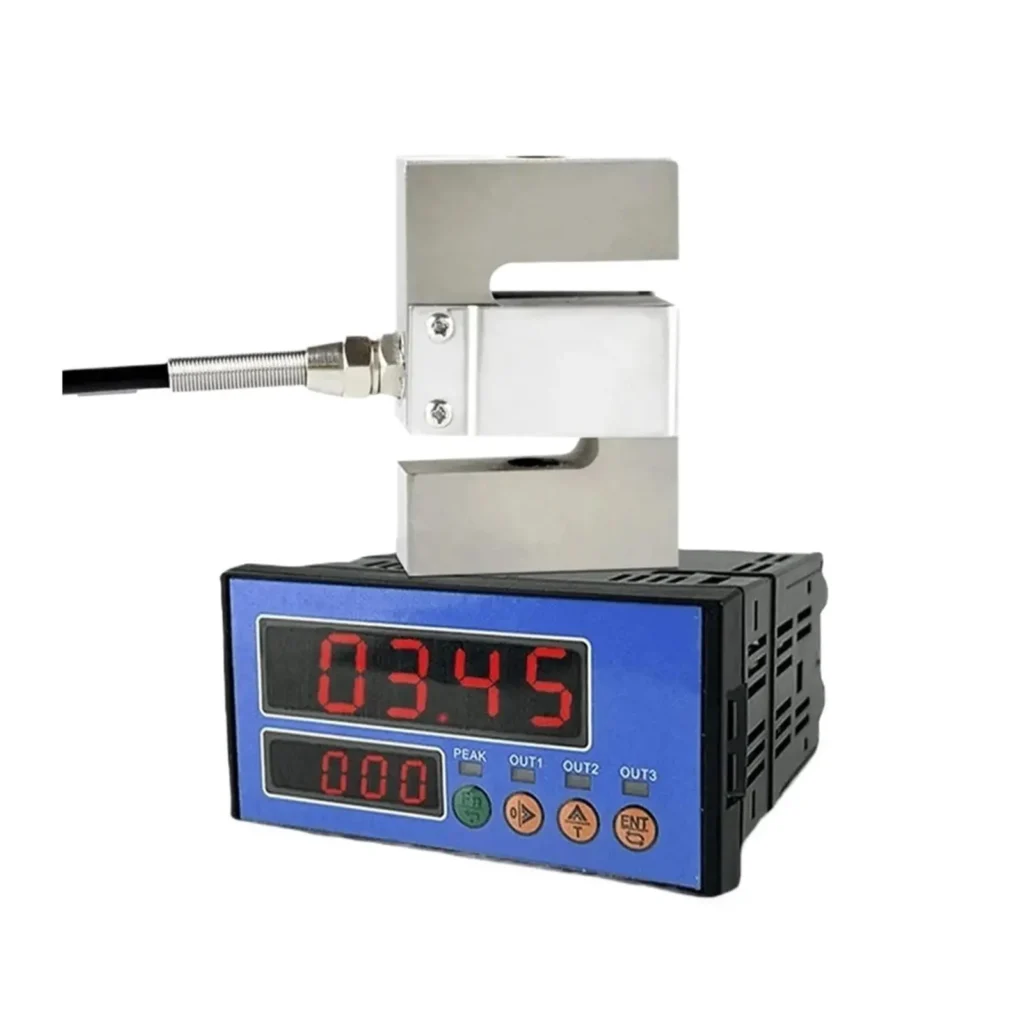
What Is an S-Type Load Cell?
How Does an S-Type Load Cell Work?
Strain Gauge & Wheatstone Bridge Principle
Tension vs. Compression Force Measurement
Key Features & Specifications to Understand
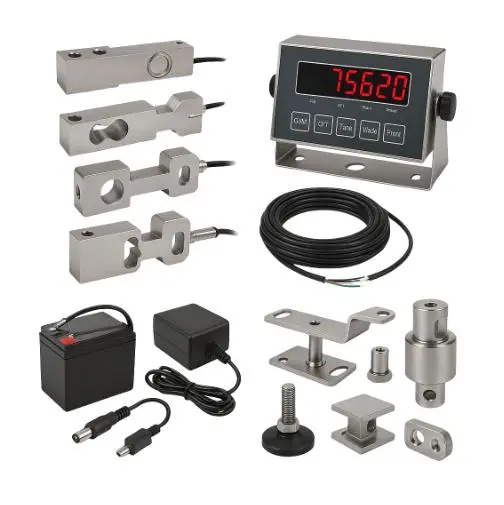
Applications of S-Type Load Cells
Types of S-Type Load Cells
Analog vs. Digital
Standard Alloy Steel vs. Stainless Steel (Hygienic)
S-Type vs. Other Load Cell Types (Comparison)
How to Choose the Right S-Type Load Cell
Load Capacity & Safety Margin
Environment & Output Signal Compatibility
Installation, Calibration & Troubleshooting
Conclusion
Understanding how an S-type load cell works, where it’s applied, and what specifications matter can make a significant difference when selecting the right sensor for your weighing or force-measurement needs. From industrial batching systems to crane scales and testing equipment, this versatile sensor continues to be a reliable choice across countless applications because of its dual tension-compression capability and rugged design. If you’re evaluating options for your next project, Gjimpex offers a range of load cell solutions built to match different capacities, environments, and industry requirements, a good starting point for anyone looking to make an informed, application-specific choice.