Load Cell: Types, Working Principle, Applications & Complete Selection Guide

Table of Contents

Introduction

A load cell is one of the most important components in modern weighing and force-measurement systems, quietly working behind the scenes in everything from factory floors to laboratory benches. If you have ever wondered how a machine turns physical weight into an accurate digital reading, the answer almost always involves this compact sensor. In this guide, we will walk through what this device is, how it works, the different types available, where they are used across industries, and how to choose the right one for your application. Whether you are an engineer specifying equipment for a production line or a plant manager researching industrial weighing solutions, understanding this technology will help you make a more confident, informed decision.
Load Cell

What Is a Load Cell?

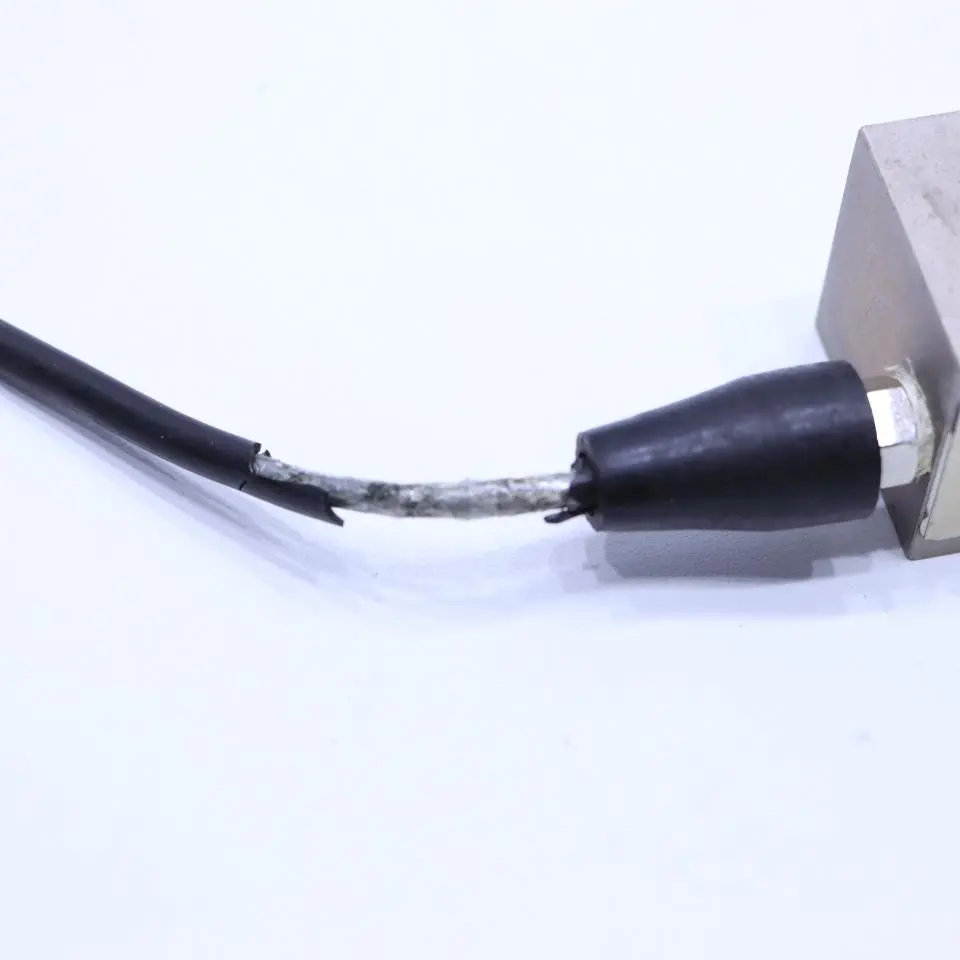
In simple terms, a load cell is a transducer a device that converts a physical force, such as weight or pressure, into a measurable electrical signal. Instead of relying on mechanical springs or manual balancing, this sensor allows weighing systems to deliver fast, repeatable, and highly accurate readings. It typically consists of a rigid metal body (often aluminium, steel, or alloy steel), a sensing element bonded to that body, and wiring that carries the resulting signal to a display unit or controller.

The reason this device matters so much in modern industry is straightforward: virtually every process that involves measuring weight, force, or tension from a simple platform scale to a multi-tonne truck weighbridge depends on accurate force sensing. A well-manufactured weight sensor can maintain precision within fractions of a gram in laboratory settings or within a few kilograms across a capacity of several tonnes in industrial settings. This blend of durability and precision is why the technology has become the backbone of weighing, testing, and monitoring equipment across almost every sector.

How Does It Work? (Working Principle Explained)

Understanding the working principle helps clarify why this sensor is so widely trusted for accuracy-critical applications. At its core, the device is designed to measure the tiny physical deformation that occurs when force is applied to its body, and then translate that deformation into an electrical output that a display or controller can interpret.

Strain Gauge & Wheatstone Bridge Principle

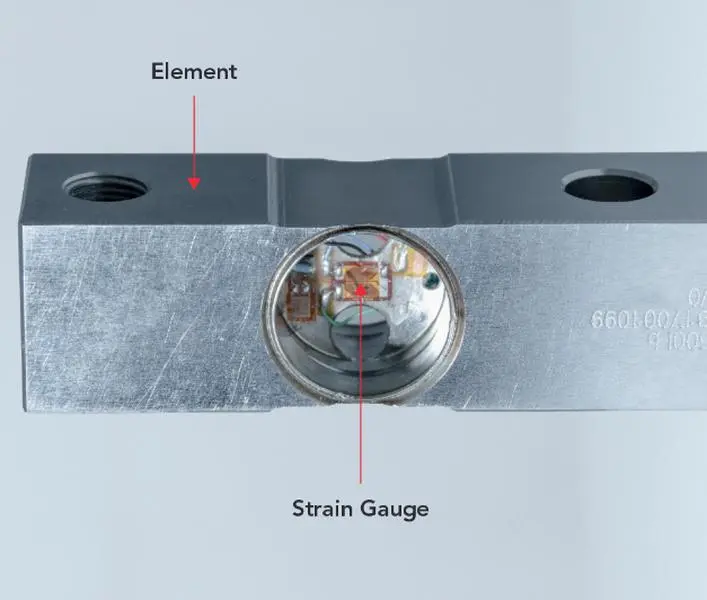
The most common type of load cell sensor used today relies on strain gauges thin metallic foil elements bonded to the elastic body of the sensor. When weight or force is applied, the body flexes by a microscopic amount, stretching or compressing the strain gauges along with it. This physical change alters the electrical resistance of the gauges. Four such gauges are typically arranged in a configuration known as a Wheatstone bridge, which converts these small resistance changes into a proportional voltage output. The more force applied, the greater the deformation, and the larger the voltage change creating a direct, repeatable relationship between applied weight and electrical signal.

Signal Output Types (mV/V, Amplified, Digital)

Once the Wheatstone bridge generates a signal, it needs to be transmitted in a form that downstream equipment can use. Most electronic load cell units output a low-level analog signal, typically expressed in millivolts per volt of excitation (mV/V), which then needs an amplifier or indicator to convert it into a readable weight value. Some modern sensors include built-in amplification circuitry, producing a stronger analog signal (such as 4–20mA or 0–10V) that is less susceptible to electrical noise over long cable runs. Increasingly, manufacturers also offer digital output versions, where the sensor itself performs analog-to-digital conversion and communicates directly with a controller over a protocol such as RS-485 or CANbus useful in systems requiring multiple sensors to be networked together with minimal signal loss.

Types of Load Cells (By Working Principle)

Not every application calls for the same sensing technology, and choosing the right category is often the first real decision in specifying a weighing system.

Strain Gauge, Hydraulic, Pneumatic & Piezoelectric Load Cells

Strain gauge-based sensors are by far the most widely used, valued for their accuracy, affordability, and adaptability across capacities ranging from a few grams to hundreds of tonnes. Hydraulic variants, by contrast, measure force through changes in fluid pressure within a sealed chamber, making them a strong choice for hazardous or explosive environments since they require no electrical components at the sensing point itself. Pneumatic types operate on a similar principle but use air pressure instead of fluid, and are often preferred in food-grade or sanitary applications where hygiene and the absence of hydraulic fluid contamination are critical. Piezoelectric sensors, meanwhile, generate a charge directly from applied force using crystalline materials, making them ideal for dynamic, high-speed force measurement such as impact testing, rather than static weighing.

Comparison Table Which Type Suits Which Use Case

Type Best Suited For Key Advantage
Strain Gauge General industrial & commercial weighing High accuracy, cost-effective
Hydraulic Hazardous or explosive environments No electrical sensing point
Pneumatic Food, pharma, sanitary applications Hygienic, no fluid contamination
Piezoelectric Dynamic/impact force measurement Extremely fast response

Types of Load Cells (By Shape/Design)

Beyond the underlying sensing technology, these sensors also come in distinct mechanical designs, each suited to a particular installation style. Compression types are built to measure force applied straight down onto them and are common in platform scales and tank weighing systems. Tension or S-type versions, named for their shape, are designed to measure pulling force and are widely used in hanging scales, crane scales, and material testing rigs. Bending beam designs measure the flex of a horizontal beam under applied weight and are popular in low-to-medium capacity platform and bench scales due to their compact footprint. Shear beam variants measure force through shear strain rather than bending, offering excellent accuracy and stability for higher-capacity platform and hopper scales. Single point or platform types allow weight to be applied anywhere on a platform surface without affecting accuracy, making them the standard choice for retail and small industrial scales. Canister or column designs, finally, are built for very high-capacity applications such as truck scales and silo weighing, where multiple sensors work together to support enormous distributed loads.

Applications of Load Cells Across Industries

The versatility of this sensor technology means it shows up in far more places than most people realise. In manufacturing, an industrial load cell is used for batching, process control, and quality checks on production lines where consistent material dosing directly affects product quality. In the automotive and aerospace sectors, these sensors are built into test rigs to measure fatigue strength, crash forces, and structural load limits during product development. Medical and healthcare equipment relies on precision variants for patient weighing scales, infusion pumps, and diagnostic devices where even small measurement errors can have significant consequences. Agriculture makes extensive use of this technology for silo and grain tank weighing, helping farmers and processors track inventory accurately. In logistics and material handling, truck scales and crane scales depend on high-capacity sensors to ensure safe and legally compliant loading. Food and beverage processing plants use hygienic, washdown-rated versions for batching and packaging lines, while research laboratories rely on highly sensitive units for material testing, calibration work, and scientific experimentation. Across every one of these settings, the underlying goal remains the same, converting physical force into data that can be trusted.

Selection Guide Key Factors to Consider

Choosing the right sensor is rarely just about picking the highest-rated capacity on a datasheet. It requires balancing several technical and practical factors against your specific application.

Capacity, Accuracy & Environmental Conditions

The first consideration is always capacity, the sensor should be rated comfortably above your maximum expected load, with headroom for occasional overload, without being so oversized that it sacrifices sensitivity at lower weights. Accuracy requirements matter just as much: legal-for-trade applications, such as retail scales or truck weighbridges, typically require certification to standards like OIML or NTEP, while internal process control may tolerate a wider tolerance. Environmental conditions deserve equal attention, a sensor destined for an outdoor silo or a washdown food-processing line needs an appropriate IP rating for dust and moisture ingress, along with a suitable operating temperature range, while installations in potentially explosive atmospheres require intrinsically safe or hydraulic designs rather than standard electronic units.

Common Mistakes to Avoid While Selecting

One of the most frequent errors is oversizing capacity “just to be safe,” which often reduces measurement resolution at typical operating loads. Another common mistake is overlooking mounting geometry and space constraints, leading to sensors that are mechanically stressed by misalignment during installation. Cabling and connector choice is often underestimated too,using a low-grade cable in a high-vibration or wet environment can introduce signal noise and premature failure, undermining the accuracy of an otherwise well-chosen weighing load cell. Taking time to plan installation conditions alongside the sensor specification itself usually prevents these issues before they start.

Installation & Maintenance Basics

Correct installation plays almost as large a role in long-term accuracy as the sensor selection itself. Sensors should be mounted on a level, rigid surface using manufacturer-specified mounting kits, with cabling routed to avoid pinching, excessive flexing, or exposure to standing water. Regular calibration, typically every six to twelve months for industrial use, though more frequent for high-precision or legal-for-trade applications, helps catch drift before it affects downstream processes. Common issues such as zero-balance errors, slow signal drift, or inconsistent readings often trace back to moisture ingress, cable damage, or mechanical binding at the mounting point, and can usually be resolved through a straightforward inspection rather than a full sensor replacement. Establishing a routine maintenance schedule from day one is one of the simplest ways to extend the working life of any weighing system.
Common Selection & Installation Mistakes

Conclusion

Selecting the right load cell ultimately comes down to matching sensing technology, capacity, accuracy class, and environmental durability to the realities of your specific application whether that’s a compact bench scale, a hazardous-area storage tank, or a heavy-duty truck weighbridge. Getting this decision right at the specification stage pays off for years through reliable, low-maintenance performance. If you’re evaluating options for your next project, the team at GJimpex can help you compare specifications and find a sensor suited to your exact requirements, feel free to explore their range of weighing solutions or get in touch for personalised guidance.

Leave a Comment

Your email address will not be published. Required fields are marked *

Scroll to Top