
Table of Contents
Introduction
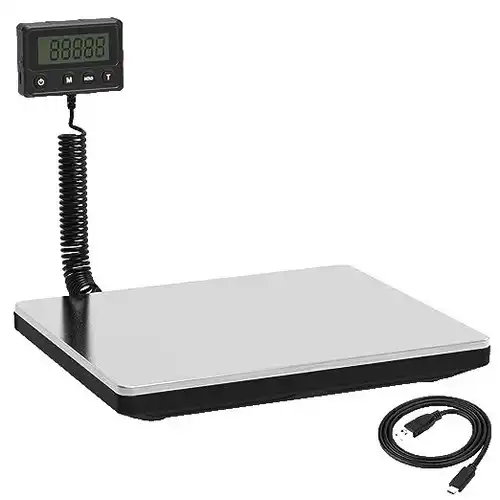
Accuracy is the backbone of every industrial weighing system. Whether it’s a pharmaceutical unit weighing tiny components or a logistics hub dealing with tons of goods, even the smallest error can create massive losses. Behind this accuracy lies a critical yet often overlooked component the weighing scale transformer.
This transformer ensures that weighing equipment receives stable and reliable power, which is essential for precision. Like any industrial component, it requires regular care to function optimally. Without proper maintenance, transformers can fail, leading to downtime, costly repairs, and inconsistent results.
In this blog, we’ll explore what a weighing scale transformer is, the challenges it faces in industrial environments, and the best maintenance practices to ensure long-term, reliable performance.
Understanding the Weighing Scale Transformer
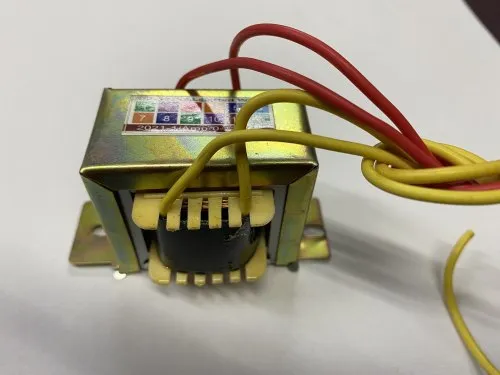
A weighing scale transformer is a specialized transformer designed to supply consistent voltage and current to weighing scales. Unlike conventional transformers, these are engineered to support sensitive weighing instruments, ensuring power fluctuations don’t affect measurement accuracy.
- Function: Converts electrical energy to a suitable voltage for weighing equipment.
- Role: Protects weighing scales from instability in the power supply.
Applications
- Manufacturing – ensures accuracy in batch production.
- Logistics & Warehousing – guarantees consistent weight checks in high-volume environments.
- Pharmaceuticals & Food Processing – complies with strict precision standards.
In short, without a reliable transformer, even the most advanced weighing system can fail to deliver consistent results.
Common Challenges with Weighing Scale Transformers
While durable, industrial weighing scale transformers face several challenges:
- Power Fluctuations
Sudden surges or drops in voltage can cause overheating or damage sensitive parts of the weighing system. - Overheating
Continuous heavy load usage without breaks may lead to overheating, reducing transformer lifespan. - Environmental Factors
Dust, humidity, and extreme temperatures can affect insulation and wiring. - Wear and Tear
Over time, connectors loosen, insulation weakens, and performance drops.
Understanding these challenges is the first step to effective maintenance.
Essential Maintenance Tips for Long-Term Use
1. Regular Inspection
- Check wiring, terminals, and insulation regularly.
- Look for signs of corrosion, burns, or physical damage.
2. Cleaning & Dust Removal
- Dust accumulation increases heat levels.
- Use compressed air or soft brushes for safe cleaning.
3. Voltage Monitoring
- Monitor voltage output frequently.
- Install monitoring tools to detect early abnormalities.
4. Load Management
- Avoid overloading the transformer with multiple heavy weighing machines.
- Distribute load evenly for longer performance.
5. Lubrication & Cooling
- Keep cooling fans or systems in working order.
- Ensure proper ventilation around the transformer.
6. Scheduled Servicing
- Conduct annual servicing with professional technicians.
- Replace worn-out components before they fail.
Best Practices for Industrial Environments
Industrial settings are harsh, and transformers require additional safeguards:
- Surge Protectors: Prevent damage from sudden power spikes.
- Proper Ventilation: Maintain airflow to avoid overheating.
- Dust-Proof Enclosures: Protect against humidity and pollutants.
- Backup Transformers: Keep a secondary transformer ready to avoid downtime in case of failure.
By following these, industries ensure consistent operations and reduce repair costs.
Case Studies: Maintenance Success Stories
Case 1: Garment Manufacturing Unit
Case 2: Logistics Hub
Case 3: Hospital Supply Chain
During high demand, a medical supplier relied on annual servicing of transformers, ensuring weighing equipment for PPE and surgical supplies worked flawlessly.
These examples show how proactive care saves money and improves operational efficiency.
Future Outlook: Smarter Transformers in Industrial Weighing
The future of weighing scale transformers looks promising, with technology driving smarter solutions:
- IoT Monitoring: Real-time tracking of voltage and temperature.
- Predictive Maintenance with AI: Automated alerts before failure.
- Eco-Friendly Designs: Energy-efficient transformers for sustainable industries.
By 2030, smart transformers are expected to dominate industrial weighing systems, making preventive maintenance even more advanced.
Conclusion
A weighing scale transformer may be a small component within a weighing system, but its impact on accuracy, safety, and performance is significant. Regular maintenance helps preserve precision, minimizes unexpected downtime, and extends the overall life of your weighing equipment. From routine inspections and cleaning to proper load management and protective safeguards, proactive care ensures consistent compliance and dependable operation across industries.
For manufacturers, logistics centers, and healthcare facilities, maintaining a reliable weighing scale transformer is essential for operational efficiency and quality control. Partner with us for high-quality transformers and expert support you can trust. Contact GJ Impex today to ensure long-term reliability and performance for your weighing systems.