
Table of Contents
Introduction
Precision has always been at the heart of laboratory work. Whether it’s pharmaceutical testing, chemical experiments, academic research, or routine quality checks, laboratories depend on analytical balances to deliver reliable and accurate results every single time. As lab requirements have grown more advanced, the technology behind these instruments has also moved forward. One of the most noticeable changes recently is the shift toward touchscreen interfaces.
For an analytical balance manufacturer today, design is no longer just about what’s happening inside the instrument. How users interact with the balance has become equally important. Ease of use, smoother workflows, and digital-friendly operation now play a major role in modern lab environments. Touchscreen interfaces are transforming the way laboratories work with weighing equipment, making daily tasks simpler, faster, and better suited for the future.
Understanding Analytical Balances and Their Role in Modern Laboratories
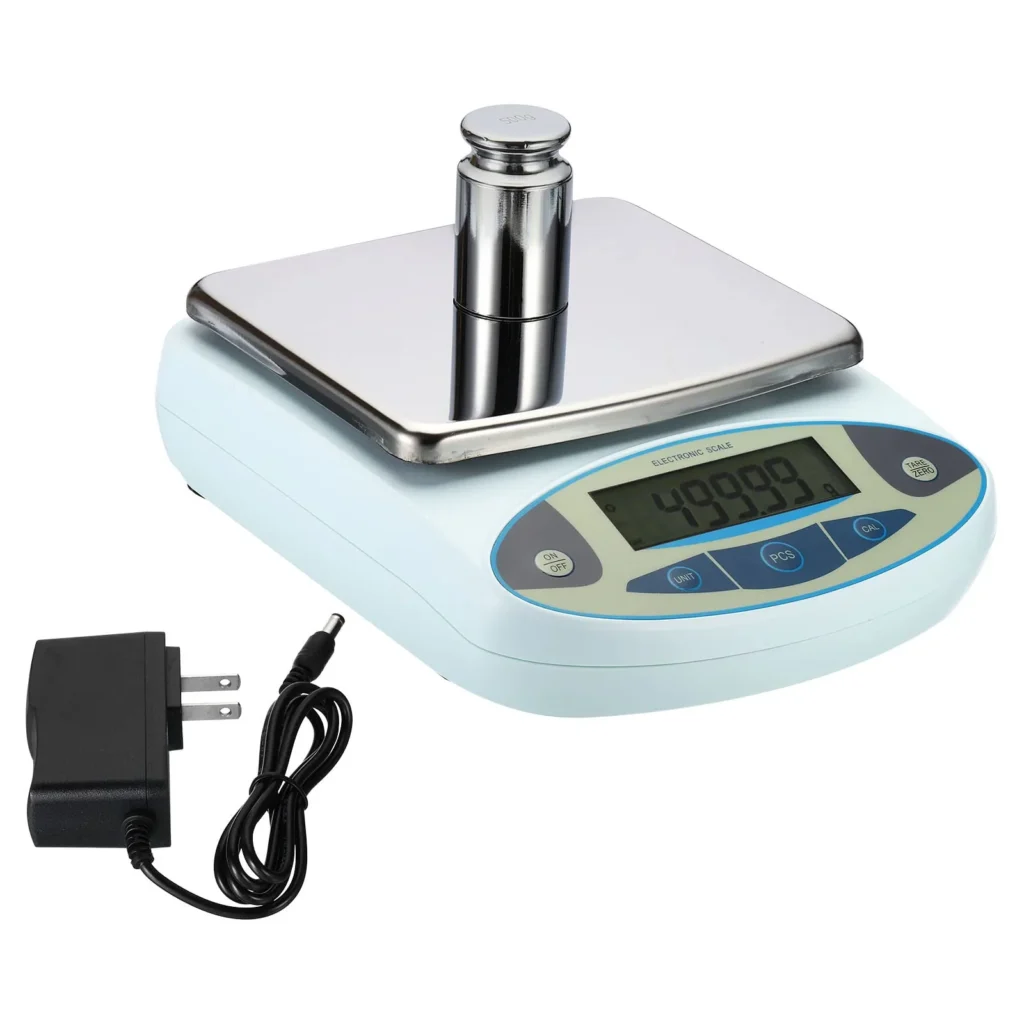
Analytical balances are highly sensitive weighing instruments built to measure extremely small weights with a very high level of accuracy. They are widely used in laboratories where even a minor variation in weight can impact test results, regulatory compliance, or the reliability of research work. In such environments, precision is not optional it is essential.
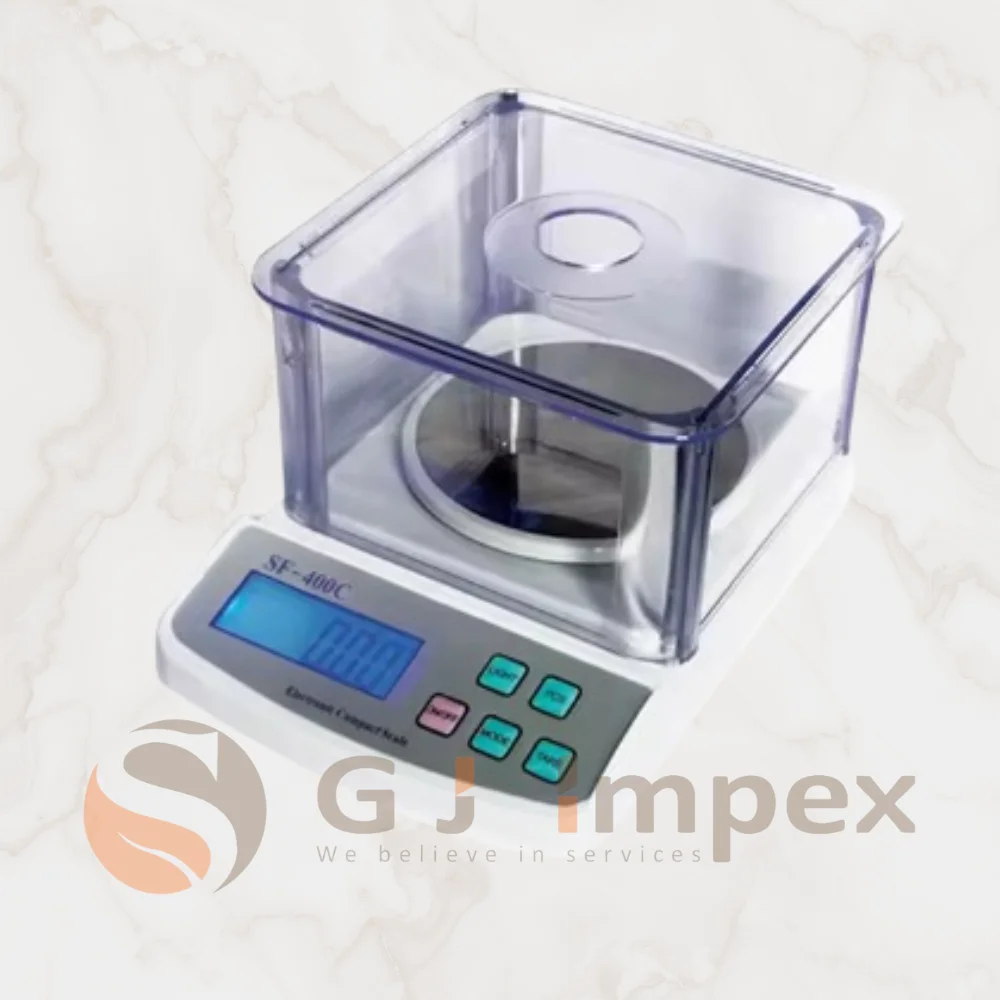
In the past, most analytical balances came with physical buttons, basic digital displays, and limited control options. These designs worked well at the time, but laboratory needs have changed. Today’s labs expect quicker operations, smoother data management, and systems that are easy to use without long training sessions. Because of this shift, analytical balance manufacturer teams are rethinking how users interact with their instruments, focusing more on simplicity, clarity, and everyday usability.
The Evolution of Design in Analytical Balance Manufacturing
Real working conditions have always shaped the design of laboratory equipment. Lab workers often have to meet tight deadlines, handle several samples at once, and follow strict rules for documentation and compliance. Older interface designs, with limited controls and complex button combinations, could slow down daily work and sometimes lead to avoidable mistakes.
As technology advanced, manufacturers started adding clearer digital displays, more accurate sensors, and software-based functions to improve performance. From there, touchscreen interfaces became a logical next step. For an analytical balance manufacturer, this change is not just about adding new technology but about creating smarter, more user-friendly designs that support operators in their everyday tasks instead of focusing only on mechanical precision.
Why Touchscreen Interfaces Are Gaining Importance
Touchscreen technology has already changed the way we use smartphones, medical equipment, and many industrial systems. Its introduction into analytical balances is not about making the equipment look modern but about solving real problems faced in laboratory environments.
With a touchscreen interface, users can move through menus quickly, select weighing modes with ease, and read results. There is no need to remember complicated button sequences. Instead, operators are guided by simple, visual on-screen options that make everyday tasks easier. This is especially helpful in laboratories where multiple people use the same balance or where new staff join frequently.
For an analytical balance manufacturer, touchscreen interfaces help close the gap between advanced measurement technology and practical day-to-day lab work, making precision tools easier and more comfortable to use.
Improving User Experience Through Touchscreen Design
User experience has a direct impact on how smoothly a laboratory operates. Touchscreen interfaces are built to make complex weighing tasks easier without affecting accuracy. Simple icons, well-organised menus, and quick-response controls help reduce confusion and allow new users to get comfortable with the equipment in less time.
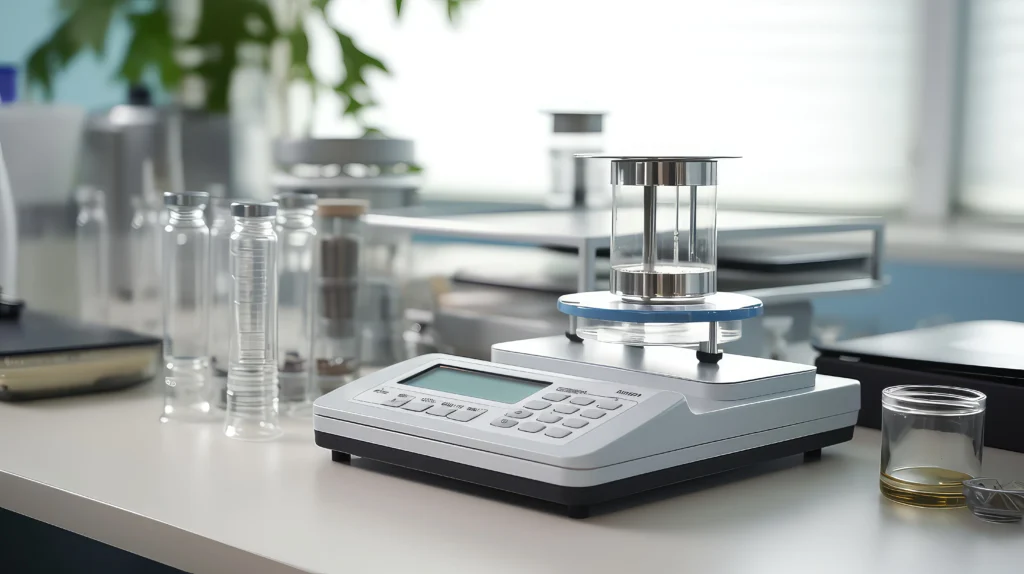
Today’s touchscreen weighing balances can show several important details on one screen, including the weight reading, measurement units, stability indicators, and calibration status. This clear and complete view helps operators understand results at a glance and take the right action immediately. For laboratories that rely on speed, consistency, and accuracy, this kind of clarity naturally improves overall productivity.
An experienced analytical balance manufacturer recognises that a better user experience results in fewer operational mistakes, smoother daily workflows, and greater confidence in everyone using the equipment.
Touchscreens and Workflow Efficiency in Laboratories
Laboratory work often involves repeating the same weighing tasks again and again, where consistency is extremely important. Touchscreen interfaces make these routines easier by allowing operators to quickly choose weighing programs, apply tare functions, or switch measurement units with just a few taps. With fewer steps involved, tasks can be completed faster, saving time across multiple measurements throughout the day.
Many touchscreen balances also provide guided workflows, displaying clear, step-by-step instructions directly on the screen. Regulated lab environments particularly benefit from this, as they require accurate adherence to standard procedures every time. By reducing the need to refer to printed manuals or external instructions, touchscreens help labs stay organised and disciplined in their operations.
For an analytical balance manufacturer that prioritises efficiency, integrating touchscreen technology is a thoughtful design choice that supports real laboratory needs rather than just an added feature.
Enhancing Data Integrity and Trust Through Digital Interfaces
Accurate results in a laboratory depend on more than just precise measurements. Today, the recording, storage, and sharing of weighed data holds equal importance. Touchscreen interfaces often make this process easier by supporting digital records, user-specific profiles, and controlled access to data.
These capabilities help laboratories maintain clear traceability and accountability in their work. When data is displayed clearly on the screen and saved digitally, there is far less chance of manual entry mistakes or missing information. This not only improves confidence in the results but also makes audits and reviews smoother and less stressful.
A manufacturer of analytical balances that prioritises data integrity demonstrates solid technical expertise and a commitment to upholding laboratory standards and compliance requirements.
Customization and Flexibility Enabled by Touchscreens
One of the key benefits of touchscreen interfaces is the level of customization they offer. Laboratories rarely work in a fixed or uniform way. Different applications often need different weighing modes, screen layouts, and operating methods to match their specific tasks.
With touchscreen systems, users can easily adjust settings to suit their requirements. They can switch measurement units, change how information appears on the screen, or save commonly used programs for quick access. This flexibility makes daily work more convenient while keeping accuracy fully intact.
For an analytical balance manufacturer, providing flexible and customizable interface options shows a clear understanding of how varied laboratory environments can be and what users expect from modern precision equipment.
Touchscreen Interfaces Across Different Laboratory Applications
Many different industries use analytical balances, each with unique working requirements. In pharmaceutical laboratories, touchscreen interfaces help maintain high precision while supporting proper documentation. In academic research settings, they make complex experiments easier to manage. In industrial quality control, touchscreens allow quick, consistent measurements that can be repeated with confidence.
Because touchscreen interfaces offer clear visuals and easy-to-understand controls, they adapt smoothly to all these different applications. This makes touchscreen-equipped balances comfortable to use for everyone, from highly experienced scientists to technicians who are still learning.
A modern analytical balance maker creates interfaces that function well in various industries, making sure the equipment is useful and efficient for more than just one purpose.
What Analytical Balance Manufacturers Are Prioritizing Today
The laboratory equipment market today is extremely competitive. Manufacturers are no longer judged only on precision; they are also expected to deliver reliable performance, easy operation, and long-term value. When it comes to touchscreens, factors like durability, resistance to laboratory conditions, and ease of cleaning play a major role in design decisions.
An analytical balance manufacturer has to strike the right balance between advanced technology and everyday practicality. Modern touchscreen panels are built to handle frequent use, exposure to laboratory chemicals, and regular cleaning without losing performance. This ensures the equipment continues to function reliably even in demanding lab environments.
Such attention to real-world conditions shows hands-on experience and a genuine commitment to earning the trust of laboratory professionals over the long term.
Future Trends in Analytical Balance Interface Design
The future of analytical balance design goes far beyond adding a simple touchscreen. New developments are focused on creating smarter interfaces that can guide users through tasks, connect smoothly with laboratory software, and support more connected and efficient lab environments.
As laboratories continue their shift toward digital transformation, touchscreen interfaces are becoming the main point of interaction between users and advanced weighing systems. For an analytical balance manufacturer that wants to remain relevant and competitive, investing in ongoing interface innovation is no longer a choice it is a necessity driven by the changing needs of modern laboratories.
Conclusion
Touchscreen interfaces are changing the way laboratories work with analytical balances. They combine high precision with easy operation and smart digital features, helping laboratories meet the growing demands of modern testing and research environments.
For an analytical balance manufacturer, adopting touchscreen design is not about chasing trends but about understanding how users actually work in the lab. As laboratory needs continue to evolve, touchscreen interfaces are quickly becoming a standard part of precision weighing, offering greater clarity, efficiency, and confidence in results.
At GJ Impex, we focus on supplying analytical balance solutions that align with these modern requirements, helping laboratories upgrade to smarter, user-friendly weighing systems they can rely on for the long term.