Comparison of Load Cell Manufacturers Based on Product Quality

Table of Contents

Introduction

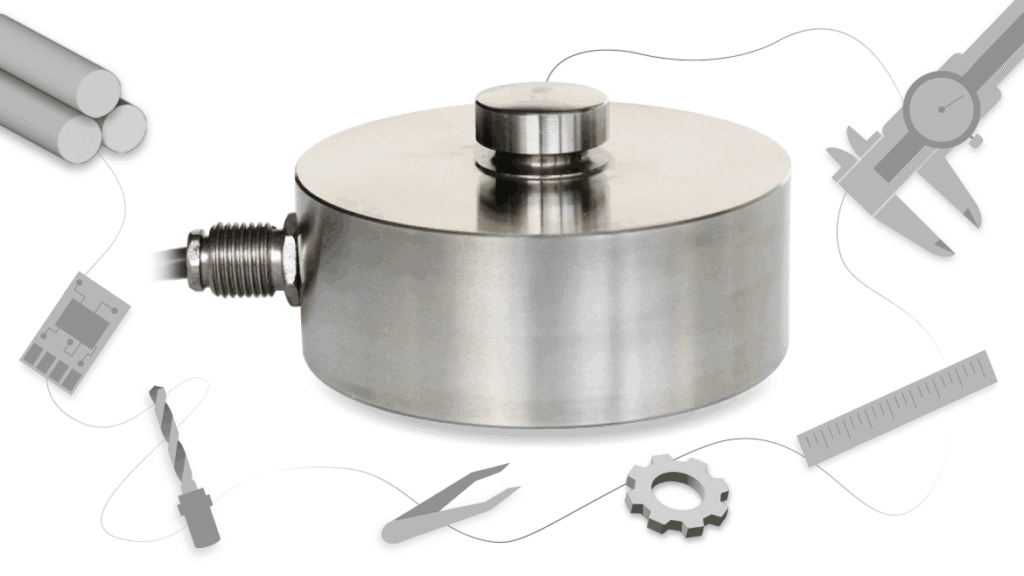
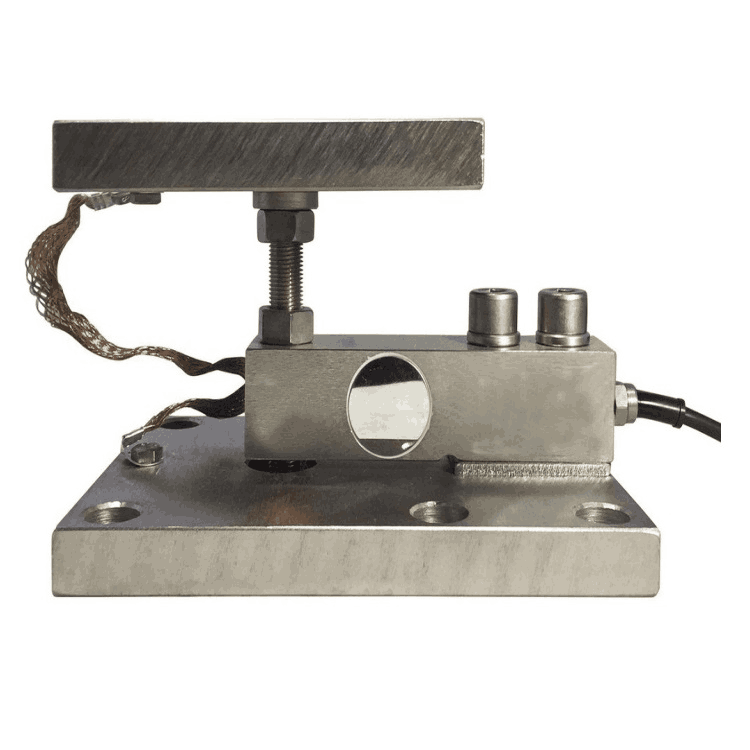
Load cells are compact instruments that are used to measure weight, or force. Load cells can be found inside a variety of products that we use regularly, including electronic scales, industrial machinery, trucks, and medical devices. Load cells transmit the pressure or force into an electrical signal which indicates a specific weight or measure.

The quality of the load cell is important because it must remain accurate, reliable, and stable over time. A load cell that is of low quality will provide inaccurate readings, fail sooner, and could lead to catastrophic failures in systems that require accurate measurements. Conversely, a load cell of high quality will provide reliability and longevity and ultimately save time and money.

The purpose of this guide is simple: to assist readers in honestly and effortlessly comparing various load cell manufacturers. By grasping the distinguishing characteristics of a good load cell and the types of signs to look for, anyone can make a more informed and confident decision.
Why Product Quality Matters in Real-Life Use

Load Cell Manufacturers

When a load cell is manufactured to a high standard, everything will run smoothly. For example, a very good load cell in a factory scales will give accurate and consistent readings every day of the week. Workers can trust the numbers, machines operate safely, and products will be consistent. A simple example is a truck weighing system—good load cells can help lessen the chance of overload accidents and avoid fines because the weight is always accurate.

Low-quality load cells, however, will make issues arise pretty quickly. The readout can bounce up and down, the weight can change even if there is nothing added, or the load cell may not function during busy times. Cheap load cells tend to lose their accuracy very quickly, are continually damaged, or they need recalibrating.

Many real users share similar experiences:

  • A bakery proprietor reported that their scale was repeatedly getting incorrect weights which made uneven batches of product.
  • A warehouse manager had to stop operations because their load cell failed unexpectedly during the busiest hours of the day.
  • A small manufacturer had collections of funds disappear because their load cell was providing lighter weights than the actual load.

How Experts Evaluate Load Cell Quality

Load Cell Manufacturers

Accuracy

Accuracy measures how close the reading of the load cell is to the actual weight. The goal of accuracy is to have consistent readings that are exact and very sensitive to small changes in the load itself. High accuracy matters in all industries—from food inspection to heavy manufacturing—as even small errors can cause wasted materials or unsafe situations.

Durability

Durability indicates how well the load cell can withstand long-term use. A durable load cell continues to function correctly, even after thousands of load cycles. Durability is especially important to professionals, as it minimizes breakdowns and maintenance costs.

Material Strength

The type of materials used in a load cell is very important. For a load cell, stronger materials (like stainless steel) helps ensure it can withstand stress, moisture, and corrosion. “Experience teaches engineers that if you have better material, you should have a more reliable load cell that lasts longer.”

Temperature Performance

Load cells regularly operate in high or low ambient conditions. A quality load cell can produce stable readings across a wide range of temperature changes. Experts measure temperature performance because bad temperature performance can create significant measurement errors.

Calibration Stability

Calibration stability indicates how well the load cell can maintain its accuracy. A load cell with good calibration stability does not require constant recalibrating. Professionals regard this characteristic as valuable since it saves them time and keeps their measurements accurate.

What Sets Leading Load Cell Manufacturers Apart

Strong R&D

The best companies place a high priority on research and development. This means they are always working to improve their designs, testing new ideas, and creating better load cells each year. Dulce R&D enables greater accuracy, better materials, and longer life.

Modern Production Methods

Top brands use state-of-the-art equipment and tidy, well organized assembly lines. Modern manufacturing methods decreased errors in production and make sure each load cell is assembled in the same way. This improves quality consistency for users.

Certified Quality Testing

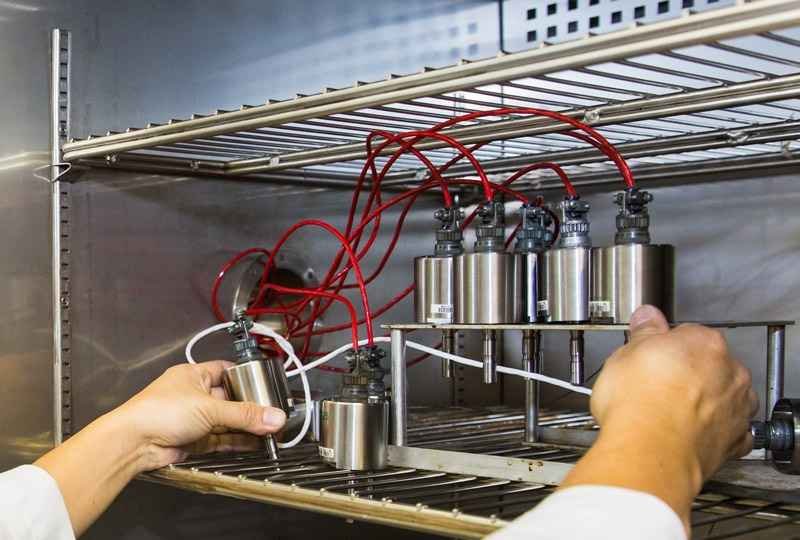
Good Load Cell Manufacturers follow strict testing standards. They run each load cell through accuracy tests, stress tests, and temperature tests. They also provide certificates that prove the load cell meets industry requirements. This gives buyers confidence that the product is safe and reliable.

Long-Term Support

A solid company doesn’t vanish after the sale. They provide easy-to-understand manuals, accessible customer service, spare parts, and troubleshooting assistance. Ongoing support is important since load cells are used for a long time and users may need assistance at any given time.

Simple Side-by-Side Comparison Checklist

Load Cell Accuracy Rating

Find out how accurate each load cell is. The higher the rating for accuracy, the more precise and stable the readings will be over time period. This is one of the more important items to compare.

Length of Warranty

Pay attention to the warranty. A longer warranty will usually indicate that the manufacturer has confidence in the quality and durability of their load cells.

Certification and Testing Reports

Confirm that the manufacturer offers certifications or testing reports. This documentation indicates that the load cell has been tested to meet important safety, accuracy, and performance checks.

Quality of Customer Support

Quality of support can be an important factor. Look at how quickly the company responded to inquiries and the quality and clarity of product reference materials or troubleshooting help.

Long-Term Reliability Feedback

Be sure to look for reviews, or other feedback, from actual customers. Having feedback on long-term use—performance around stability, durability, and accuracy over months, or years—gives a more realistic assessment on the product’s performance in the daily work environment.

How to Spot a Poor Load Cell Manufacturer

The Absence of Testing Reports

If a company fails to produce any testing report or certificates, it is a serious warning. The testing reports verify that the load cell was tested, and certifies that it is safe to use and reasonably accurate. Without testing reports, buyers have no way to make sure that the load cell works as promised. 

Prices Too Low and No Explanation

When something seems too good to be true, something is likely missing. Quite often, if something is priced extremely low, it is because a cheaper material was used or the testing to verify accuracy and safety of the product was limited or lacking. A good manufacturer should be able to explain how they keep their costs low without sacrificing quality.

Warranty is Weak or Non-Existent

If the warranty on a product is extremely short or unclear, it can be a sign that the company is not confident in how long the load cell will last. There are Load Cell Manufacturers that make quality products and will stand behind their product with a good warranty, communicated in plain terms. 

Materials Are Poor Quality

Poor quality materials can lead to cracking, corrosion, or unstable readings. A cell made with poor metals will not endure heavy use and will fall short when it is needed the most. Good materials used in a load cell is one of the first signs of a reputable manufacturer.

Conclusion

Load Cell Manufacturers

It doesn’t have to be hard to find quality load cell manufacturers. If you focus on accuracy, strong materials, real testing, and durability of support, it’s quite simple to see which companies offer solid quality. Consider the red flags, like no test report, a vague warranty, or a price that is unrealistically low, to eliminate load cells you would not want to use.

If you are looking for reliable load cells that offer value and proven performance, your smart first stop is Gjimpex. The products are carefully constructed, tested for accuracy, and supported by a team that really understands customer needs.

Contact Gjimpex today and feel confident knowing you now have the right load cell solution.

Leave a Comment

Your email address will not be published. Required fields are marked *

Scroll to Top