



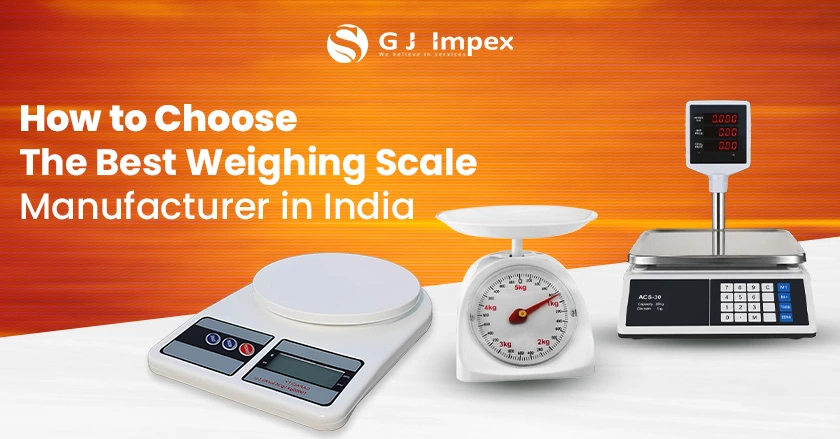
How to Choose the Best Weighing Scale Manufacturer in India
Table of Contents Introduction A reliable Weighing Scale Manufacturer in India can make a significant difference to your business operations. Buying a weighing system for your business is much more than picking the cheapest option. It is a decision that will affect your daily operations, billing accuracy, compliance, and even your customer trust for the next five to ten years. From a textile mill in Surat to a logistics hub in Bhiwandi, every industry depends on weighing systems that work without error. That is why choosing the right partner becomes so important. This guide will walk you through a simple, practical way to evaluate any Weighing Scale Manufacturer in India. By the end, you will know exactly what to check, what to ask, and which red flags to avoid. Why This Decision Matters More Than You Think A wrong choice does not just cost you money upfront. It creates problems for years through wrong readings, repeat calibration, failed audits, and unhappy customers. Imagine a cement plant losing 0.5% of every truckload due to a faulty weighbridge — over a year, this becomes lakhs of rupees gone silently. Or a pharma company facing a compliance issue because the calibration certificate was not properly traceable. These are real costs that smart buyers learn to avoid early. Treat this purchase as a long-term partnership, not a one-time deal. The right Weighing Scale Manufacturer will support you through installation, calibration, training, and service for many years. Understand Your Weighing Needs Before You Start Before you contact any supplier, sit with your team and define what you really need. Start with the application: is it for raw material weighing, finished goods, vehicle billing, or lab use? Then list the load range. A 20-tonne weighbridge and a 10-kg bench scale need completely different design approaches. Next, think about the environment. Indoor warehouses are simple, but outdoor sites face dust, rain, and temperature shifts. Washdown areas in food and pharma need stainless steel and high IP ratings. Hazardous zones in chemicals or oil need ATEX-certified systems. Lastly, plan for the future. Will you need ERP or SAP integration, mobile app monitoring, or remote calibration in two years? If yes, choose accordingly. Types of Weighing Scale Suppliers in India The Indian market has different types of suppliers, and understanding them helps you make a smarter choice. OEM Manufacturers These are companies that design, build, and test scales in their own facility. They have R&D teams, calibration labs, and full control over quality. OEMs are usually the best long-term partners. Authorised Dealers These are official channel partners of OEMs in specific regions. They offer faster local support and follow manufacturer pricing. Resellers and Traders These companies buy from multiple sources and resell. They may offer attractive prices but often lack deep technical knowledge and after-sales support. Importers and Re-Branders Some firms simply import from China or Europe and apply their own label. Service and spare parts can become a nightmare with this group. Knowing the difference helps you ask the right questions before signing any deal. Key Criteria to Evaluate a Manufacturer This is the heart of your evaluation. A serious Weighing Scale Manufacturer will score well on every point below. First, check in-house manufacturing capacity. Visit the factory if possible, or ask for a virtual tour. Look at the production line, calibration lab, and quality testing area. A genuine Weighing Scale Manufacturer will be happy to show you everything because they have nothing to hide. Second, look at R&D. Does the company innovate or just copy old designs? Modern weighing solutions need active engineering — wireless indicators, digital load cells, and IoT-enabled systems. Companies that invest in research stay relevant for decades. Third, check certifications. ISO 9001 shows good quality management. OIML R76 and BIS certification confirm international and Indian standards. NABL-accredited calibration is a must for audit-ready documentation. Fourth, study customisation capability. Industrial buyers often need special platforms, custom indicators, or unique software changes. A flexible Weighing Scale Manufacturer will quote and deliver these without endless delays. Finally, look at experience and references. Companies that have served Indian industries like cement, steel, pharma, food, and logistics for many years understand local conditions better than new entrants. India-Specific Standards and Compliance to Check Indian regulations are strict for weighing equipment used in trade or commercial work. Legal Metrology approval, commonly called W&M India stamping, is mandatory for any scale used in buying, selling, or billing. Without it, your business can face penalties. BIS certification adds another layer of quality assurance for safety and performance. Model approval from the Legal Metrology Department is needed before any model can be sold in India. Multi-state buyers should also check whether the supplier can handle state-wise stamping smoothly, because rules and verification cycles differ across states. A trustworthy Weighing Scale Manufacturer will provide all these documents in proper format and explain them in simple language. How to Verify a Manufacturer’s Claims Brochures and websites can promise the world. Real verification needs effort, but it saves you from costly mistakes. Schedule a factory visit and observe the manufacturing process yourself. Ask to see sample calibration certificates and check the NABL accreditation number on the official NABL website. Speak directly with two or three existing customers in your industry — their honest feedback is gold. Review online presence, Google ratings, and how the company responds to customer queries. Cross-check claimed certifications with issuing authorities. These small steps separate professional buyers from those who regret their decision later. India-Specific Challenges Every Buyer Should Plan For India has unique conditions that not every manufacturer designs for. Coastal areas like Mumbai, Chennai, and Kochi have high humidity and salt air that cause rust in cheap materials. Rajasthan and Gujarat see summer temperatures crossing 45°C, while Himalayan regions drop below freezing. Voltage fluctuations are common across many industrial zones. Dust and vibration are everyday challenges in mining, cement, and steel locations. An experienced Indian Weighing Scale Manufacturer understands these conditions and builds products that survive them. Foreign