Author name: bipinvalani90@gmail.com

Uncategorized

How Load Cell Manufacturers Build Accurate Weighing Systems: Types Explained

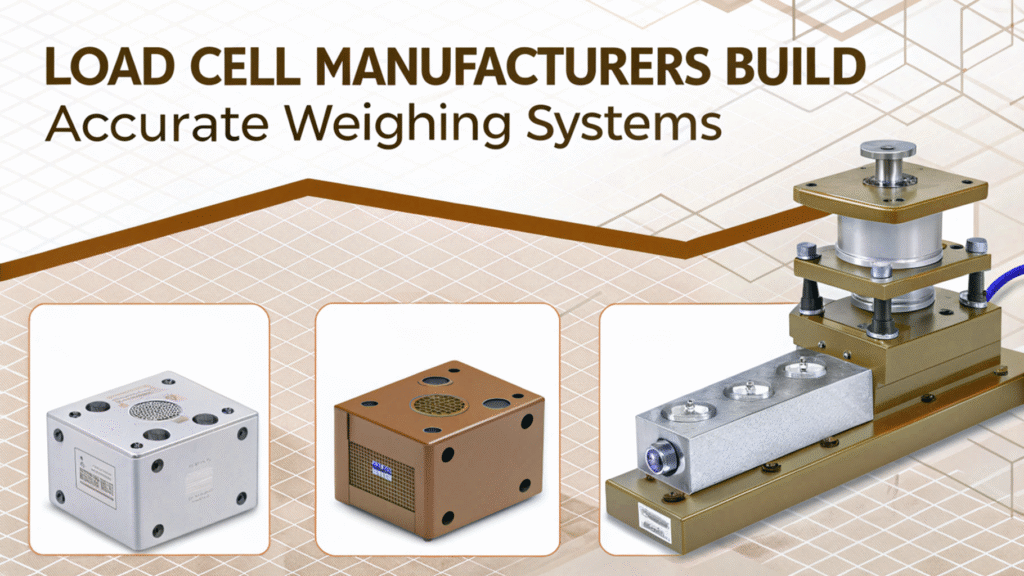
Table of Contents Introduction In this modern day and age, measuring weight with precision is paramount. From industrialized factories to grocery stores, trustworthy weighing helps protect product quality, ensure safe packaging and procedures, and buyers can trust that the money they are spending is fair. Central to these processes are load cells for weighing. Load cells are small, yet powerful sensors that measure forces, which are, in turn, the basis of use in almost every digital scale and automatic weighing solution. This blog will go through what load cells are, how load cells work, where load cells are used, and how to identify what is the right type, and manufacturer to look for. What Are Load Cells for Weighing? Load cells for weighing, are unique types of mechanisms to measure force – typically the force of weight. When you put something on a scale, both the weight of the object and the pull of gravity will push on the load cell inside it. This will cause the load cell to bend or compress, only a little. The load cell will take this small physical movement and convert it into an electrical signal. The electronics in the scale will “read” this signal and display the weight of the object. There are different shapes and variations of load cells, but they all perform the same basic function: to measure weight and convert that into numbers you can trust. Why are load cells used for weighing? They are precise. They give repeatable results (the same object weighs the same each time you measure). They can handle very light or very heavy objects, depending on design. They fit in automated, digital systems.          No matter where you are factory, bakery, hospital, or warehouse load cells for weighing make the measuring process faster, more efficient, and less prone to error. Core Types of Load Cells Used in Weighing Systems Load cells come in different shapes and are built for specific use-cases. The most common types are: S Type Load Cell One of the most popular designs is the s type load cell. Shaped like the letter “S,” this model is very versatile. It’s used for both pulling (tension) and pushing (compression) measurements. For example, if you want to measure how hard something is being pulled or how much something weighs while hanging from a crane, you’d likely use an S type load cell. Key Features of S-Type Load Cell: Handles both tension and compression loads Compact and easy to install Good for mid-range weighing (usually 50kg–10 tons) Used in packaging, factory floor scales, hanging scales, and test machines Why do people use S type load cell designs?  Their shape and construction make them especially strong and reliable, even when loads shift or the cell is pulled at an angle. Other Important Load Cell Types Single-Point Load Cell: Best for small-to-medium scales, such as benchtop food or postal scales. Shear-Beam/Double-Ended Shear-Beam Load Cell: Strong and built for platform scales, tanks, hoppers, and silos. Compression Load Cell: Heavy-duty, used for truck weighbridges, floor scales, and industrial tanks. Tension Load Cell: Designed purely for measuring pulling forces (tension), not compression. Canister/Column Load Cell: Handles very heavy weights, such as in bridge weighing systems.Each type connects to a load cell weighing system to capture and process weight data accurately. Inside a Load Cell Weighing System The full load cell weighing system includes more than just the sensor itself. Here’s how the whole system works: Basic Components Load Cell—senses the force or weight. Signal Conditioner/Amplifier—boosts the weak signal from the load cell so it can be interpreted. Indicator/Display—converts the signal into numbers or sends the information to a computer or automation line. Cabling and Mounts—physically connect everything together while keeping measurements stable.   How It Works Place an item onto the weighing platform (or hang it from a hook attached to an s type load cell). The force or weight pushes down (or pulls up) on the load cell. Inside, tiny metal parts—often called “strain gauges”—bend ever so slightly, changing their electrical resistance. This tiny change is sent as an electrical signal to the amplifier. The digital display or the computer system reads this signal and shows the weight. With today’s technology, a load cell weighing system can send real-time data to other machines, trigger alarms if weights aren’t correct, or record shipments for inventory tracking. Major Applications & Industries Load cells for weighing are everywhere. Here’s where they have the most impact: Manufacturing: Batch weighing of ingredients, part assembly, and quality control. Food and Beverage: Portioning, checkweighing, and filling automation—often in high-speed, high-hygiene environments. Pharmaceuticals: Ultra-precise doses and medication packing. Logistics and Retail: Platform scales for shipping, POS checkout, and warehouse pallet readers. Agriculture: Silo/bunker weighing, livestock scales. Medical: Patient beds, infusion pumps, and wheelchair scales. Aerospace: Testing material strength and measuring loads during parts assembly. Whenever you see a reliable digital scale or automated packaging, you’re likely seeing the benefits of a well-designed load cell weighing system. Choosing the Right Load Cell Manufacturers Not all load cells are the same, and the choice of load cell manufacturers matters a great deal for accuracy and reliability. Here’s what to look for in a load cell manufacturer: What to Consider Quality Certifications: The best manufacturers certify their products under standards like ISO 9001, RoHS, OIML, and sometimes NTEP (for legal trade use). Product Range: Do they offer the type you need? S type load cell? Shear beam? Compression model? Customization: Can they make specific changes (like cable length, special mounting, higher accuracy) for your application? Tech Support and Warranty: Do they provide installation, calibration help, and real after-sales support? Reviews and References: Is the company known for serving your industry with reliable, long-lasting products? Leading Load Cell Manufacturers GJ Impex HBM (Hottinger Brüel & Kjær) Flintec Zemic Yamato Mettler Toledo Interface Inc. ADI Artech (India) Sensotech (India) Revere Transducers These brands are all recognized for trustworthy load cell weighing system products for industries worldwide. Installation and Calibration
Uncategorized

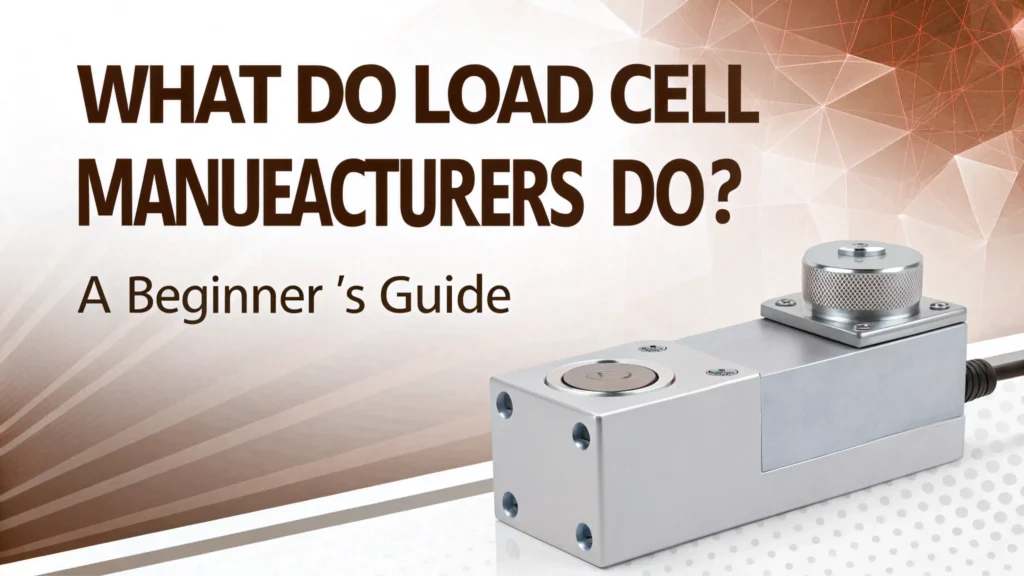
What Do Load Cell Manufacturers Do? A Beginner’s Guide

Table of Contents Introduction A lot of people and companies need to know exactly how much things weigh. A load cell is a small device that provides quick and safe weight measurement. If you’ve ever seen a set of weighing scales in a store, or have seen machines in a factory as they weigh parts, you have already seen the magic of load cells. Beyond these very useful tools, are specialized companies who build load cells, known as load cell manufacturers. Every day these specialized companies build, make, and test these small but mighty devices. What Is a Load Cell Manufacturer? A lot of people and companies need to know exactly how much things weigh. A load cell is a small device that provides quick and safe weight measurement. If you’ve ever seen a set of weighing scales in a store, or have seen machines in a factory as they weigh parts, you have already seen the magic of load cells. Beyond these very useful tools, are specialized companies who build load cells, known as load cell manufacturers. Every day these specialized companies build, make, and test these small but mighty devices. How Load Cell Manufacturers Make Load Cells 1. Conceptual Design and Layout To begin, they assess the challenges of weighing, and then they come up with a design of a load cell that can address what they assess needs to be weighed. They then move on to sketching and then arrive at some shape. 2. Material Selection After a design is developed, they select the correct materials to be used for the load cell. They decide to proceed with best materials, as manufacturers want to see load cells that is unspooled from either steel or aluminum, or some unique alloy that meets the above criteria, and functional for many years. 3. Build the Load Cell After the material has been determined, tradespeople will use machinery and tooling to make and assemble each breakout part of the load cell. This is where the appropriate trade skills and knowledge are required, as every part needs to be accounted for. 4. Test the Load Cell Once the load cell is produced, it goes through testing. Manufacturers test with both weights and computers, or simple checks to see if the device weighs accurately. If the load cell passes testing, it can be sent out for sale. Why Quality Matters in Load Cell Manufacturing Quality manufacturing of load cells is a top priority for all manufacturers. If a load cell is poorly manufactured, you will get erroneous results, no results or the possible requirement of some replacement parts. Responsible and good manufacturers take measures to minimize errors and constantly check quality by using routine checks completed by a skilled worker and training workers on how to check for errors before they reach the end of the process. They utilize simple upcoming routines and reliability tests to ensure that every product is built strong and maintain reliability. Quality is also about accuracy. Load cells are used to weigh things in hospitals, factories, and shops. A tiny error can be a huge problem. This is why leading manufacturers will test an item many more times; and always use the best material. Services Offered by Load Cell Manufacturers Custom Load Cells: Some organizations need specific types of load cells. Manufacturers can make custom devices for a specialty requirement or application, such as weighing very large trucks, small objects, etc. Help and Support: A good company will help the customer in selecting, installing, and using load cells. If something doesn’t work, they will be able to guide the customer to address the issue quickly. Advice: Not everyone will know which load cell to purchase. Manufacturers can give straightforward advice based on what the customer is weighing and what level of accuracy the customer requires. How to Find Trustworthy Load Cell Manufacturers Verify Certifications Select manufacturers that have relevant certifications. Certified manufacturers comply with regulations to ensure their products are safe and reliable. Check Experience Experienced manufacturers have produced load cells for many years and likely understand the common issues. This experience has likely made things easier for you. Research Reviews and Case Stories You may want to look for reviews online, or reach out to prior clients that have purchased goods from the manufacturer. Satisfied clients are more than happy to talk about their experiences, which helps with your decision-making. Direct Support Dependable manufacturers respond to your questions quickly, and are available to provide support when you need it. Conclusion Load cell manufacturers play a simple but important role in many industries. They design, build, and test the small devices that help us weigh goods, vehicles, and even medicines. Good manufacturers use the right materials, follow strict steps, and help their customers with advice and support. By choosing a trustworthy manufacturer, you get a product that is safe, accurate, and built to last. If you want quality load cells and friendly support, reach out to Gjimpex today. Let us help you find the right weighing solution for your needs! Contact Us FAQs What is a load cell used for? Load Cells are used to measure weight. Do load cells all operate in the same way? No, there are different types of load cells based on application, such as compression, tension, and beam type. Are all load cell manufacturers the same? No. Some manufacturers focus on quality, others on price, and other manufacturers offer additional support. What is the lifetime of a load cell? A quality load cell can last for years, if maintained properly. Can I ask for a custom load cell? Yes. Most load cell manufacturers can create custom load cells when asked, for unique projects.

The History and Growth of Load Cell Manufacturers in India
Uncategorized

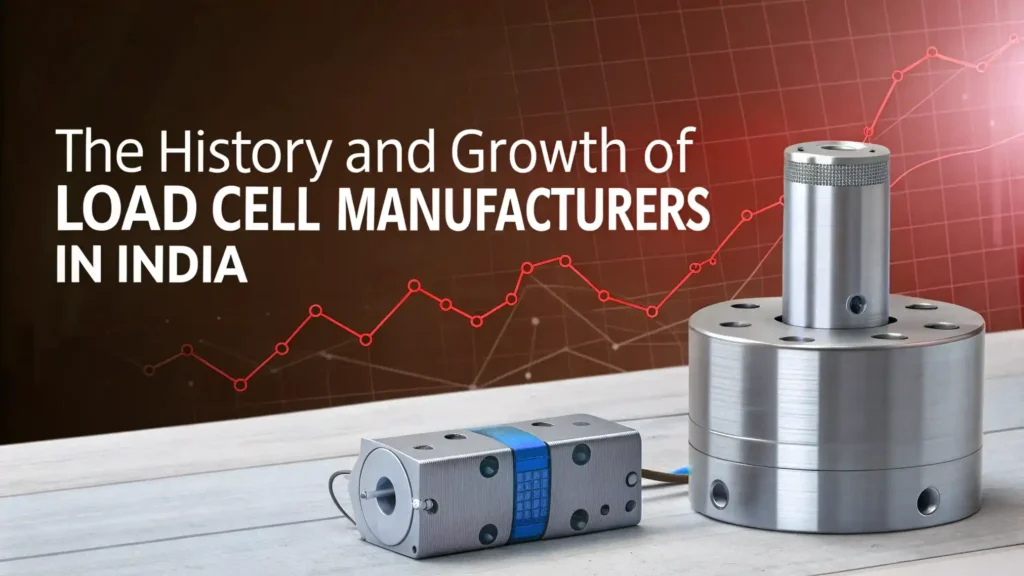
The History and Growth of Load Cell Manufacturers in India

Table of Contents Introduction A load cell is an easy way of measuring weight. Load cells are small devices that are used in almost every industry that you can think of – food to equipment. Load cells have changed the way we weigh things – big or small – quickly and accurately. The companies that produce load cells are call load cell manufacturers. Load cell manufacturers in India have quite a story to tell. They started small, and today, they are exporting all over the globe. This blog is about how load cell manufacturers began in India, their journey of growth, and how the work they are doing is important today. Lorem ipsum dolor sit amet, consectetur adipiscing elit. Ut elit tellus, luctus nec ullamcorper mattis, pulvinar dapibus leo. The Beginning of Load Cell Manufacturing in India Many years ago, India’s better measuring and weighing devices were needed. The major factories, farms, and shops all needed devices that could provide the right numbers every time. Slowly the load cell became popular because they were simple to use and didn’t take long to give an answer. Load cells were initially only made by a few companies in India. The load cells themselves were simply designed and they were modeling basic loads cells from other countries. They were trying to learn using what they had and improve on it. Most of the initial load cells were mostly used in factories to weigh raw materials or finished goods. Here’s what the early journey looked like: Basic load cell types with few features. Mostly used by big companies and factories. Often imported or outsourced from abroad. Small niche market and fewer options for buyers. Eventually, more people realized that load cells were useful. Local Boer Workshops and engineers wanted to make their own instrumentation, appropriate for India. This helped form the basis of India’s own load cell manufacturing industry. Key Milestones in India’s Load Cell Industry The introduction of the first Indian made load cells More factories were using load cells for their ability to measure accurately Indian companies learnt how to use better kinds of material and simple technology to create products that much stronger than a load cell.  Load cells branched out into new industries such as farming and transport With every development came small improvements. Load cells became easier to use, they lasted longer, could handle more weight, and engineers took the time to work with local buyers to test the type of material that would yield a better solution for weighing issues. Load cells started to pop up in end applications ranging from warehouses, hospitals and labs. Growth of Load Cell Manufacturers Across India The demand for load cells was spread out. Gradually, manufacturers spread out to new cities and states. Factories in places like Surat, Delhi, and Mumbai began to manufacture their own load cells. More industries wanted load cells for different purposes  New business owners seized an opportunity to assist local buyers Transport and logistics companies were in need of robust devices Recommendations for products were often made by wholesalers or manufacturers in the same industry  With more manufacturers came more choices. Buyers were able to select load cells from a wide variety of budgets, weights, and then machines. There were manufacturers of load cells for tiny jewelry, and for trucks and machines. These options allowed for Indian manufacturers that would serve the big factories, as well as builders or small workshops and farms. Most of the new manufacturers utilized simple design and local materials and provided virtually no written setup instructions. This increased the acceptance of load cells in schools, medical labs, and even little shops.  Indian companies started to make load cells for export as well, which created another customers and reaffirmed to the world that Indian manufacturers can make durable and reliable products. Advancements in Quality and Technology Use of stronger materials also like steel and aluminum Change from handmade components to machine-made Made testing easier in a computer mode Added safety checks for each device Technology has given rise to so many changes. Many load cells could now be produced by a machine and in short periods with less errors. Tests also became more detailed and made it easier to confirm very small weight differences. Some companies added in features such as digital displays and simple computer interfaces. Certifications became another important aspect. Many Indian manufacturers worked hard to win certifications to show that their products were both safe and accurate. The certifications also helped them gain a degree of trust with both the local and foreign buyers. Producing safety and quality checks Providing smart designs and new concepts Producing more reliable and better-to-use loading devices Producing both standard and custom load cells. How Indian Load Cell Manufacturers Support Local and Global Needs Conclusion The history and expansion of load cell manufacturers in India is a learning, problem-solving, and life-changing story all at once. They have moved from small workshops into larger factories and now offer load cells to every conceivable industry, using better materials, better designs, and better support to help many businesses weigh things right. Their products are helping lift people and businesses in India and in many corners of the world. If you need strong and straightforward load cells for your work, please contact Gjimpex today! Our well-trained professional team will assist you in selecting the right product, support you when needed, and ensure you are cared for quality weighing needs! Contact us and include us in your success! Contact Us Common Questions About Load Cell Manufacturing in India Do load cells that are made in India last long? Yes, provided it’s manufactured by a reputable manufacturer, and it is being used properly. Can I have a load cell manufactured for a specific job? Yes, there are many Indian manufacturers that specialize in custom load cells. Are load cells made in India used in other countries? Yes, many load cells made in India are sold into other countries and work

Mechanical Scale vs Electronic Scale
Uncategorized

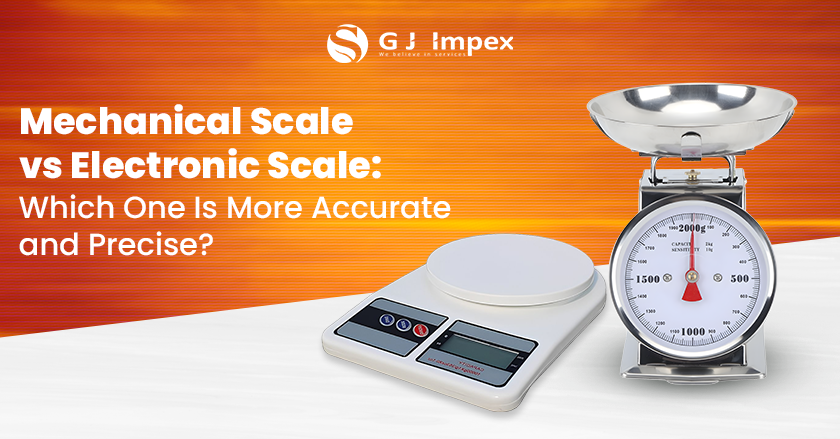
Mechanical Scale vs Electronic Scale: Which One is More Accurate a nd Precise?

Table of Contents Introduction Scales are a valuable type of tool for many purposes, from everyday personal use to commercial and industrial applications. The type of weight scale you choose can help determine the accuracy, precision, and user experience – weight scales come in two styles today, mechanical weighing scales and electronic (also referred to as digital) scales. This article will compare mechanical scales and electronic scales with respect to, construction, accuracy, durability, calibration, and ease-of-use. Hopefully, this article will help you make a decision as to what scale is right for you needs at home or at your business. What is a Mechanical Scale? A mechanical scale is a traditional kind of scale that works by a spring. When you put something onto it, or stand on it, there is a spring inside of it that can be compressed or stretched, depending on the weight of the item or person, so there’s a needle that moves clockwise or counterclockwise across an analog dial. The design of a mechanical scale is generally bulky and vintage-looking, and it has a large dial with numbers on it. The tarter usually involves turning the knob and making adjustments to the zero point, or the point in which weight is not exerted by the object above it. As was said, a mechanical scale does not need batteries or electricity, because they have better quality parts that make them durable, but they do lose their precision. And they cannot measure decimals, so there is no numeric precision, besides just an approximate weight (e.g. weight reading “164 or 165” pounds, but not “164.25” or whatever fractional measurement). And overtime they will lose their precision due to wear and tear. Mechanical scales are usually pricier because of having solid parts and having to deal with higher precision, but perhaps the user can justify and accept the hobbies and personal matters needed for heavy and indoor use, with a simple and “never needing to rely” on electricity. What is an Electronic Scale? Digital scales (electronic scale) are a modern alternative to weighing scales. Electronic scales utilise sensors called load cells to convert the weight of an object to an electrical signal which is transmitted to a microprocessor or microcontroller. The weight is displayed on an LED, LCD or other display.  Digital scales are often designed to be compact and portable. This makes them easier to use and more convenient for storage. The clear displays usually include easy-to-read measurements which often include decimal precision of weight measurements.  Most electronic scales are simple to calibrate and some will even automatically calibrate to zero. Many models will have additional ease of use features such as automatic on and off, and backlighting so that the scales can even be visible in low light environments.  The technology and reducing costs of electronic scales will likely continue for the foreseeable future. Using electronic scales, consumers are experiencing better accuracy and convenience compared to mechanical scales.    Accuracy and Precision Comparison Accuracy refers to how close a measurement is to the true weight, while precision indicates the consistency of repeated measurements. Mechanical scales offer reasonable accuracy but lower precision. The spring-based mechanism and analog dial limit repeatability, and lack of decimal output restricts measurement granularity. Electronic scales provide superior precision and accuracy. Thanks to load cells and digital processing, they can display decimal values and deliver highly repeatable results. Calibration affects both scale types, but electronic scales tend to maintain accuracy longer due to simpler recalibration methods and self-testing features. Mechanical scales may require more frequent manual adjustments and can be influenced by mechanical wear or environmental factors. Durability and Maintenance Mechanical scales are durable and can handle lots of bumps and bruises. They don’t depend on electricity, and even if they did, you still have to accommodate for a mechanical failure by taking into consideration the wear and tear of the moving parts: springs, needles. Mechanical scales could need occasional service or calibration.    Electronic scales are reliant on power sources (battery, electricity) but built with features that make them resilient: overload protection and in some cases, moisture and dust resistant. Though electronic scales typically require less mechanical care than mechanical scales, electronic failure can still happen.    Both mechanical and electronic scales can be reliable and last a long time (generally over a decade with proper care and service); your choice will depend on the environment in which they will reside and how much time you want to spend maintaining them. User Experience and Practical Considerations Readers’ weight on mechanical scales require observing the position of a needle against a scale dial, which can be challenging sometimes due to the size of the pointer and distracting scale markings as well as vibrations that can impact stability. Digital scales provide a clear digital readout, which is instantaneously (“quick”) with a backlit component to enhance comfort. Many have features (often called functions) that may be valuable, such as changeable measurement units, parts counting, touch-screen designs, and data routing and linking capabilities, improving user experience for commercial or industrial applications. When choosing between mechanical or electronic, think about the intended use — mechanical scales are rugged and work in power-free zones, electronic scales provide accuracy and features in controlled environments. Cost and Value Comparison Mechanical scales are typically more costly to purchase due to their durable materials used in construction, but may translate to lower operating costs in the future due to no batteries required.  Electronic scales cost about the same to purchase and offer greater value because of precision, added features, and ease of use. However, electronic scales need to be considered with batteries or power consumption costs as part of operating costs.  When reviewing return on investment (ROI), the benefits of accuracy and ability of electronic scales outweigh the simplicity of mechanical scales. Which One to Choose? Deciding between mechanical and electronic scales depends on your priorities: Choose mechanical scales if you need durability, power independence, and simple operation in tough environments. Choose

Scroll to Top