
Table of Contents
Summary
This blog explains how modern weighing technology is influencing different industries in 2026 and why its importance continues to grow across multiple sectors.
Introduction
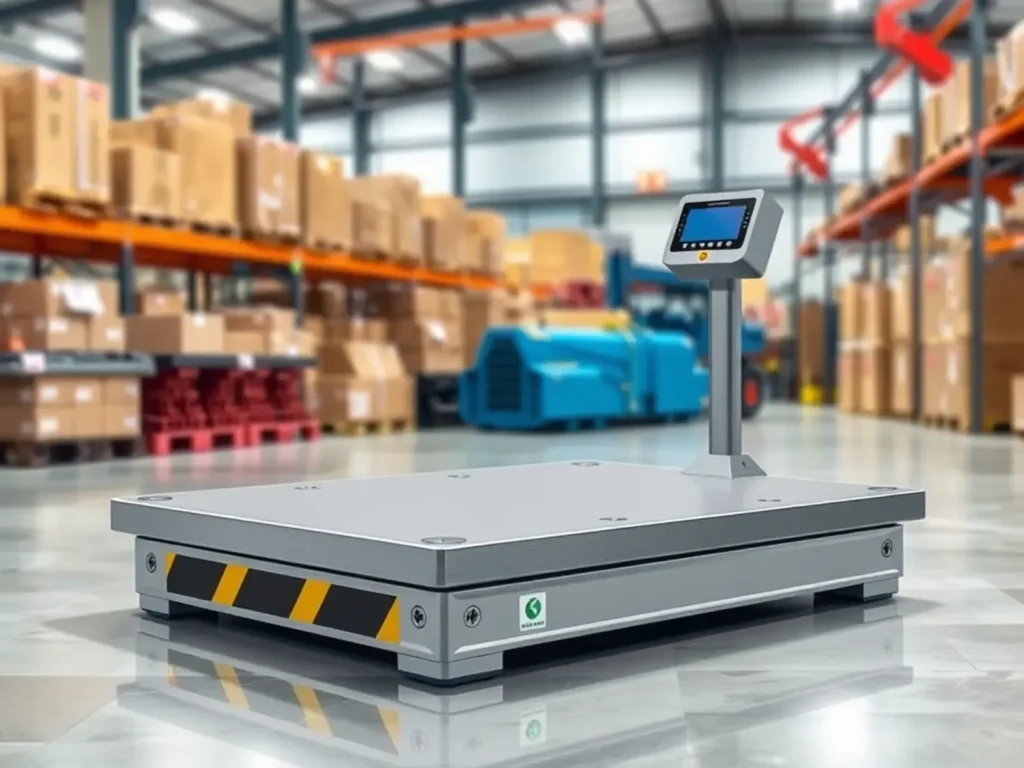
In 2026, industries around the world are quickly moving toward automation, better accuracy, and data-based decision-making. As production levels increase and quality standards become stricter, even small measurement mistakes can cause material waste, compliance problems, or financial losses. Because of this, Advanced Weighing Systems are no longer viewed as optional tools they have become an essential part of modern industrial operations.
Earlier weighing methods were mainly used to show weight readings. Today, industries need much more than that. Modern weighing solutions are expected to work smoothly with automated processes, support quality control, and provide real-time data that helps improve efficiency. Whether on manufacturing floors, in logistics centers, or within processing units, accurate weighing now plays a key role in making operations smarter and more reliable.
What Are Advanced Weighing Systems?
Advanced Weighing Systems are modern, technology-based solutions that provide highly accurate measurements while integrating smoothly with automated and digital workflows. Unlike traditional scales, these systems do more than just show weight—they help monitor production, ensure quality, and record data automatically without constant manual input.
In practical terms, these industrial weighing solutions use precise sensors, digital load cells, and smart software to collect and process accurate measurements. Many are connected to cloud platforms, ERP systems, or monitoring dashboards, which lets teams track data remotely and respond quickly to any changes in operations.
Simply put, these systems don’t just measure weight—they help businesses maintain consistency, ensure traceability, and keep operations under control even in complex workflows.
Key Factors Driving Demand for Advanced Weighing Systems
The increasing use of Advanced Weighing Systems in 2026 is being driven by several key industry trends. One of the biggest factors is automation. As production lines become more automated, businesses need weighing solutions that can provide accurate measurements without relying on manual input.
Regulatory requirements are another major driver. Sectors like food, pharmaceuticals, chemicals, and manufacturing must meet strict quality and safety standards. Accurate weighing ensures compliance and helps maintain proper records for audits and reporting.
Cost efficiency also plays a role. Precise measurement reduces material waste, improves overall yield, and supports better resource management. Together, these trends are encouraging industries to adopt smarter, more reliable weighing technologies to stay competitive and efficient.
Top Industries with Growing Demand for Advanced Weighing Systems in 2026
1. Manufacturing Industry
In manufacturing, accurate weight measurement is critical at every stage from raw materials to final packaging. Reliable weighing helps reduce waste, maintain consistent product quality, and supports automated, lean production processes. As factories adopt smart manufacturing practices, precise weighing plays a key role in improving efficiency and minimizing errors.
2. Food & Beverage Industry
For the food and beverage sector, precise weighing ensures consistent taste, quality, and safety. It helps measure ingredients accurately, maintain hygienic production, and ensure correct packaging weights. Reliable weighing also helps businesses comply with food safety regulations and build trust with consumers.
3. Pharmaceutical & Healthcare Industry
Pharmaceutical and healthcare production demands extremely high accuracy to guarantee product safety. Weighing systems ensure correct dosage, precise formulation, and traceable batch records. They also help meet strict regulatory standards while minimizing human error through automation.
4. Logistics & Warehousing
Logistics and warehousing operations depend on accurate weight data for smooth, efficient handling of goods. Weighing systems help calculate freight costs, optimize load distribution, and improve inventory tracking. In automated warehouses, precise weighing supports faster workflows and reduces handling errors.
5. Agriculture & Agro-Processing
In agriculture and agro-processing, weighing systems are used to measure crop yields, manage storage, and ensure accurate packaging. These solutions support smart farming by improving efficiency, reducing post-harvest losses, and helping producers make better data-driven decisions.
6. Mining & Metals Industry
Mining and metals industries operate in challenging conditions with heavy loads. Accurate weighing helps manage material flow, ensures safety, and meets compliance requirements. Reliable systems also enhance productivity in large-scale operations.
7. Chemical & Petrochemical Industry
In chemical and petrochemical operations, precise weighing is essential for safely handling materials and maintaining correct formulations. Accurate measurements support quality control, regulatory compliance, and safer operations while reducing manual intervention.
Role of Automation, IoT & AI in Modern Weighing Systems
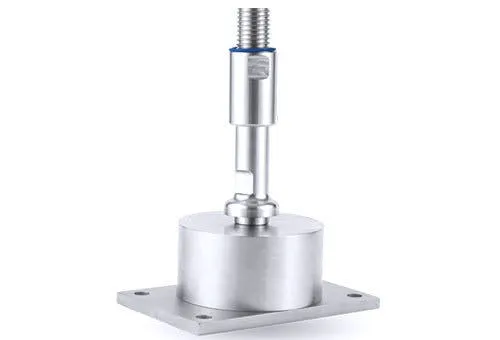
Automation, IoT, and artificial intelligence are changing the way industrial weighing systems work. Automated weighing reduces manual effort, speeds up production, and ensures more consistent results across the line. IoT connectivity allows weight data to be shared in real time with central systems, giving teams better visibility and faster response to any changes.
AI features are also starting to help with predictive maintenance and error detection, allowing businesses to spot potential problems before they affect operations. Together, these technologies make weighing systems smart and proactive, contributing directly to productivity and quality instead of just serving as simple measurement tools.
Benefits of Using Advanced Weighing Systems Across Industries
The advantages of Advanced Weighing Systems are clear across industries of all types and sizes. They improve accuracy and consistency, which directly enhances product quality. By automating measurements and data recording, these systems also reduce the chance of human error.
Other key benefits include easier compliance with industry regulations, more efficient processes, and long-term cost savings through less material waste. When weighing data is connected with digital systems, businesses gain better visibility and control over operations, helping them make smarter decisions and plan more effectively.
Future Trends in Industrial Weighing Systems
Looking past 2026, Advanced Weighing Systems are expected to become even smarter and more connected. Cloud-based monitoring, AI-powered analytics, and tighter integration with enterprise software will become standard features.
Sustainability will also shape future developments, as industries look for energy-efficient and long-lasting weighing solutions. As smart factories and data-driven operations expand, intelligent weighing technology will be crucial for supporting growth, scalability, and long-term competitiveness.
How Industries Can Choose the Right Weighing System
Choosing the right weighing solution starts with understanding your specific operational needs, including load capacity, accuracy requirements, and regulatory standards. It’s also important to consider whether the system can integrate smoothly with existing software and automated processes.
Reliability and long-term support are equally critical. A good weighing system should provide consistent performance, be easy to maintain, and adapt as your business grows or changes. By carefully evaluating these factors, companies can ensure that their weighing solution adds real value beyond simply measuring weight.
Conclusion
The growing reliance on Advanced Weighing Systems in 2026 highlights how industries are shifting toward smarter, more precise, and data-driven operations. Accuracy, automation, and transparency are no longer optional they are essential for sustainable growth and operational stability.
From manufacturing and pharmaceuticals to logistics, agriculture, and heavy industries, modern weighing solutions are enabling safer processes, better efficiency, and informed decision-making. Businesses that align their operations with reliable weighing technology and proven industrial solutions such as those showcased through industrial weighing applications at GJ Impex are better positioned to build future-ready operations. Ultimately, investing in advanced weighing technology is not just about measurement accuracy; it is about creating a strong foundation for long-term performance and scalability.